Welcome to St Joseph Institute
Holistic Addiction and
Mental Health Treatment That Works
Welcome to
St. Joseph Institute:
Holistic Drug & Alcohol
Rehabilitation That Works
We are passionate about helping you or your loved one find lasting recovery.
At St Joseph Institute (SJI), we provide solutions that promote recovery for both substance use and mental health disorders.
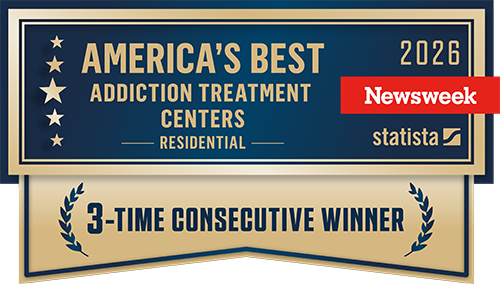
St. Joseph Institute Recognized for Third Consecutive Year on Newsweek’s America’s Best Addiction Treatment Centers List
This prestigious recognition highlights the nation’s top facilities based on quality of service, reputation, and accreditation relative to in-state competition. St. Joseph Institute’s recognition for the third consecutive year reflects the continued hard work, dedication, and commitment of its team.
We Specialize In Treating & Healing the Whole Person
Each Person is Unique
Most rehabs offering help with addiction and mental health have an identical program for every person as if the underlying issues that drive addiction and mental health issues are the same for everyone. We believe this “one size fits all” approach fails to meet the needs of many people.
By recognizing each person’s physical, mental, emotional and spiritual issues, we seek to find resolution to underlying problems and achieve better outcomes. You never become a “number” at St. Joseph Institute rehab in PA.
Healing the Whole Person
Overcoming addiction and mental health issues is about reclaiming your life and making it better. The Institute’s alcohol addiction & drug abuse rehab program provides the opportunity to achieve a level of wellness that few people experience. We will be concerned about your physical and mental health, offering program options for those with chronic pain, PTSD, or trauma. We help you learn ways to better manage your life, while addressing co-occurring conditions such as anxiety, depression, or substance abuse. As a non-denominational faith-based rehab center, we will support your spiritual development — without imposing specific beliefs – to help you rediscover a sense of purpose. The Institute’s optional faith-based track offers bible study and weekly non-denominational chapel service, which helps patients develop the skills to manage stress, reduce conflict, and have happier relationships.
Preparing for the Future
A critical aspect of the recovery process is preparing for the next step — rooted in resilience, filled with purpose, and guided by the lessons learned from past challenges.
Together we will develop a plan for the future, coordinating the support necessary to help you stay clean and sober. In the months and years ahead we will be here to help and offer advice, support and encouragement as you journey forward.
You saved my life. I have been to other rehab centers but none are like St. Joseph. You cared more about me than I did about myself. You never stopped helping me put my life back together. Today I am drug and alcohol free. I have purpose. I have hope. Thank you.” -Ryan
 You saved my life. I have been to other rehab centers but none are like St. Joseph. You cared more about me than I did about myself. You never stopped helping me put my life back together. Today I am drug and alcohol free. I have purpose. I have hope. Thank you.” -Ryan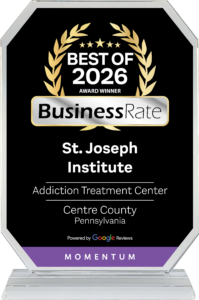
Recognized for Excellence in Addiction Treatment
St. Joseph Institute is proud to receive a BusinessRate Best of 2026 Award, recognizing the facility’s strong Google review performance and positive feedback from clients, families, and referral partners. This honor reflects our commitment to providing compassionate, evidence-based addiction treatment and exceptional patient care.
While we are grateful for this recognition, our greatest achievement is helping individuals and families begin their recovery journey. We remain dedicated to delivering high-quality treatment, personalized support, and hope for lasting recovery.
We work on an in-network basis with many insurance companies.
We will be happy to verify your benefits with no obligation.
Our Rehabilitation Center in Port Matilda, PA Promotes Healing
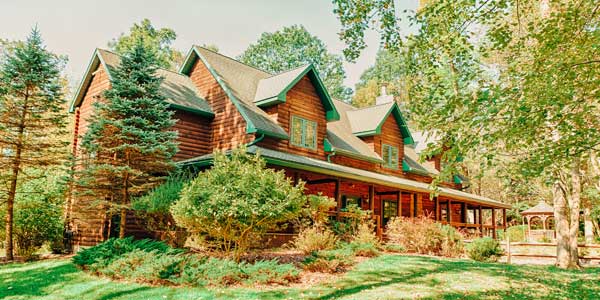
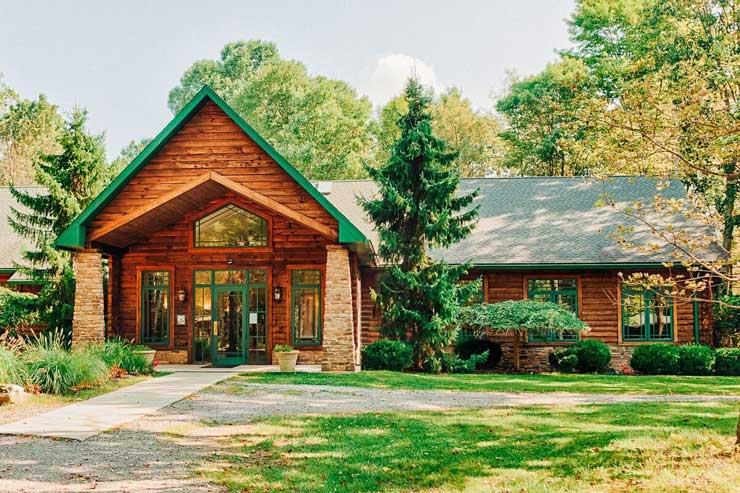
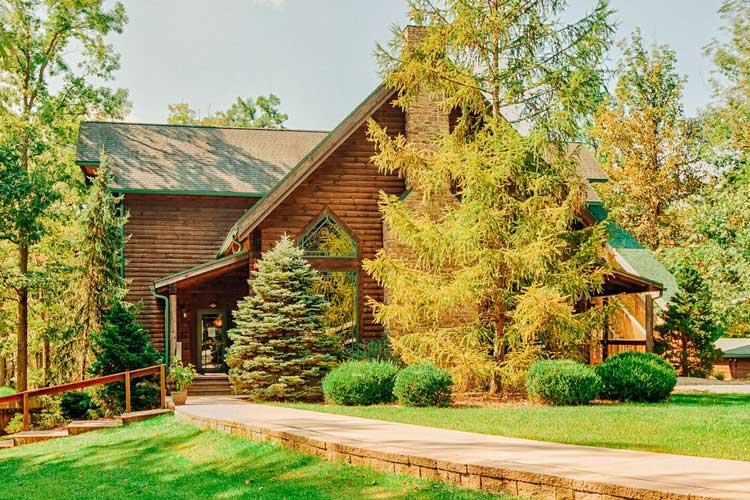
St Joseph Institute is located on a beautiful mountainside in central Pennsylvania (near State College and Altoona).
The successful recovery experience is enriched by elegant log and stone lodges, extensive walking trails, a spa and wellness center, gym, library, chapel, and secluded grounds.
St. Joseph’s Outcomes Stand Above the National Average
At St. Joseph, clients often experience meaningful reductions in symptoms of depression, anxiety, trauma, and PTSD during treatment. These outcomes reflect our commitment to helping individuals achieve emotional healing, build resilience, and establish a strong foundation for lasting recovery.
Depression
43% Reduction
Anxiety
32% Reduction

Trauma & PTSD Symptoms
56% Reduction




Inpatient Substance Use Disorder Rehab in PA
A survey of more than 200 people who have received help with addiction at St. Joseph Institute in Pennsylvania provided a satisfaction rating of 93.7% for the program.
The Institute has been cited in surveys by third parties and the media as a “Top” rehab facility, “One of the best alcohol & drug abuse rehabs in PA and the Northeast,” and “the Best Value in treatment for addiction.”
St. Joseph Institute is committed to being the leading addiction treatment and detox center in Pennsylvania. Our goal is to be recognized as a place where people will receive quality care from a team passionate about helping people overcome their addictions.
Mental Health Services
St. Joseph Institute provides a tranquil and secluded campus, allowing clients to prioritize their mental health free from the distractions of the bustling outside world.
St Joseph Institute offers mental health treatment services for adults struggling with various mental health conditions, such as depression, anxiety, bipolar disorder, schizophrenia, and more.
Recognizing the unique needs of each individual, mental health treatment at St. Joseph Institute is tailored to suit, understanding that what benefits one may not suit another. Consequently, every client collaborates closely with their counselor and other professionals to craft a customized care plan.

We Accept Most Insurance